Choosing the right Diamond Shape
16 October, 2026
How Flaws (You’ll Probably Never See) Can Affect Value & Beauty
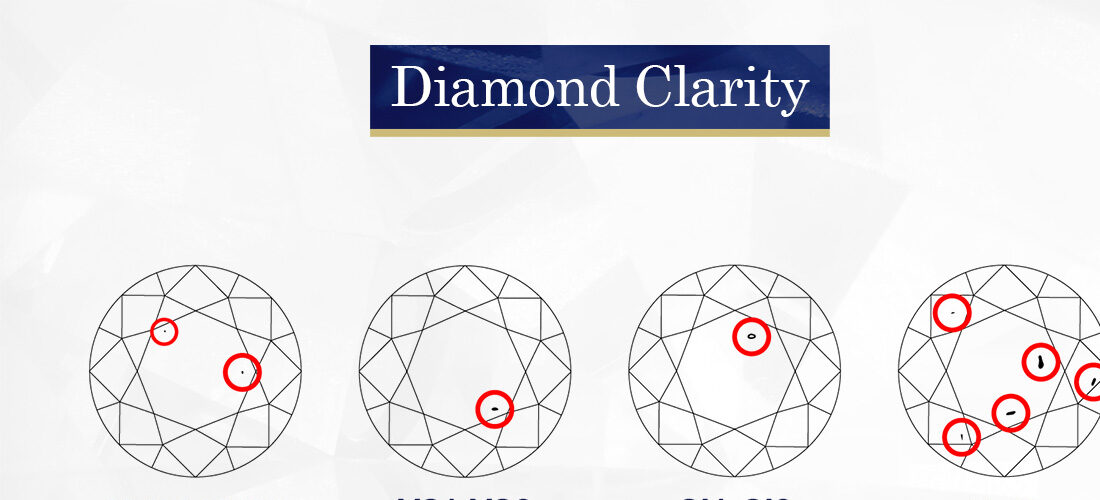
Diamonds are born deep within the Earth, so it’s only natural that most have tiny “birthmarks.” These come in the form of inclusions (internal) or blemishes (surface).
Clarity measures how clean or “flawless” a diamond is under 10x magnification—not just with the naked eye. Most inclusions are so small, you’ll never notice them without a jeweller’s loupe!
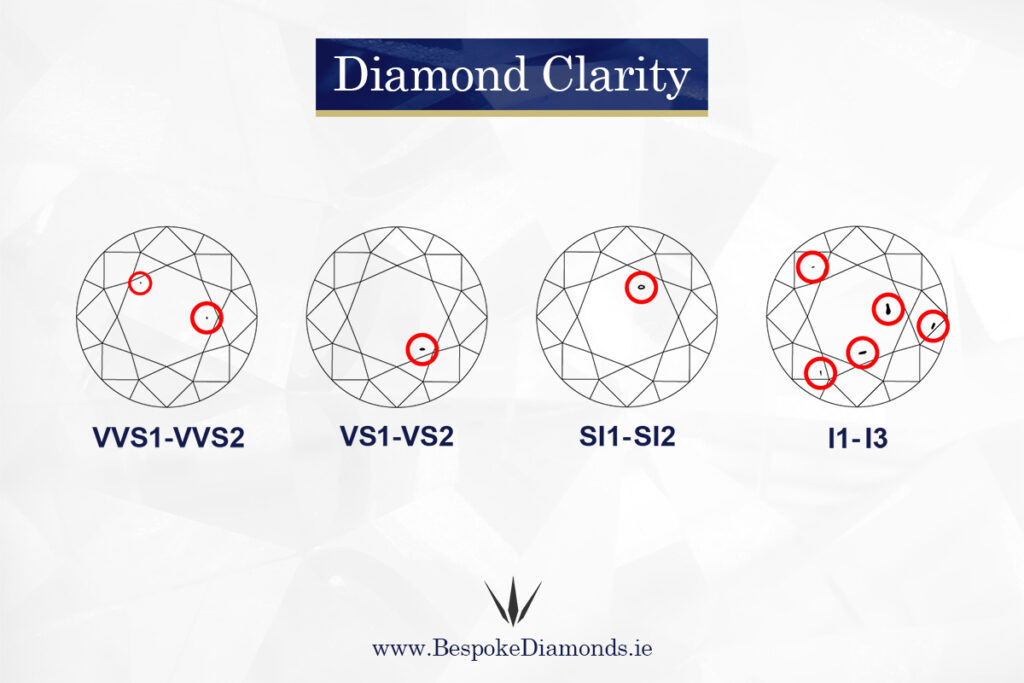
The Gemological Institute of America (GIA) clarity grading system ranges from diamonds with no imperfections to those with visible ones:
| Grade | What It Means | Visibility | Best For… |
| FL/IF | Flawless / Internally Flawless ✨ | None (even under magnification) | Collectors, prestige pieces |
| VVS1/VVS2 | Very, Very Slight Inclusions ? | Nearly invisible | High-end engagement rings |
| VS1/VS2 | Very Slight Inclusions ? | Barely noticeable | Excellent quality and value |
| SI1/SI2 | Slight Inclusions ?️ | Sometimes visible | Great value – eye-clean varies |
| I1/I2/I3 | Included ? | Easily visible | Budget stones or small accent gems |
? “Eye-clean” means no visible flaws to the unaided eye—many SI1 and some SI2 diamonds still meet this standard.
But remember: cut and sparkle matter more than minor internal marks that no one can see.
? Avoid large or dark inclusions under the table (centre/top of the diamond), as they’re most visible.
You can get a stunning diamond without paying for perfection. Here’s how:
| Clarity Grade | Ideal Use Case |
| VS1–VS2 | Best balance of quality and value |
| SI1 | Often “eye-clean” in smaller stones |
| VVS | For buyers who want top-tier clarity |
| I1+ | Best for earrings, pendants or vintage styles with smaller stones |
Some shapes hide flaws better than others due to their faceting:
| Shape | Hides Inclusions Well? | Notes |
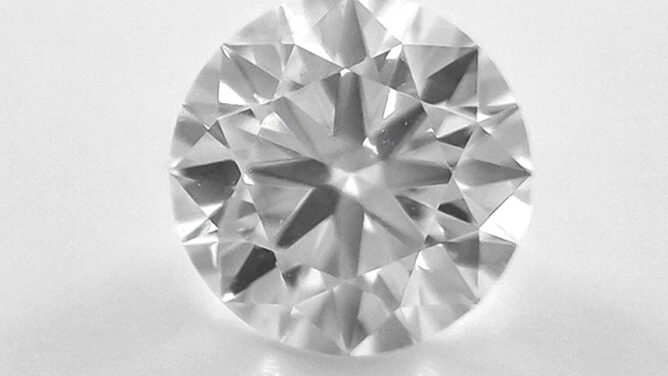
| Round | ✅ Excellent | Sparkle masks flaws effectively |
| Princess | ✅ Good | Sharp sparkle hides most imperfections |
| Cushion | ✅ Good | Great in SI1 or higher |
| Emerald | ❌ Poor | Step-cut shows flaws clearly – go VS+ |
| Oval/Pear | ⚠️ Medium | Watch for inclusions near pointed ends |
From one grade to the next, it is not very obvious but comparing a VVS1 to a VS2 will be very obvious to most people, depending on the shape. Diamonds with big open faces (Emerald, Oval) will show more clearly than a small round diamond.
Only if you value rarity or perfection. For most, VS or SI1 gives the same look for far less.
Only if they’re large, near the surface, or reach an edge. Reputable jewellers avoid risky stones.
Tip to Mitigate: Go for eye-clean SI1 or VS2 and use your savings for a better cut or bigger stone.
Diamond clarity helps define a stone’s natural beauty—but it’s often less visible than you’d expect. The smartest buyers find the sweet spot between flawlessness and visual perfection.
Choose clarity that fits your diamond’s size, shape, and setting—and let your eyes (and budget) guide you, not just the lab report.

Don't miss
16 October, 2026
16 October, 2026
16 October, 2026