Engagement Rings Education Hub
11 September, 2026
Vintage Drama with Architectural Elegance
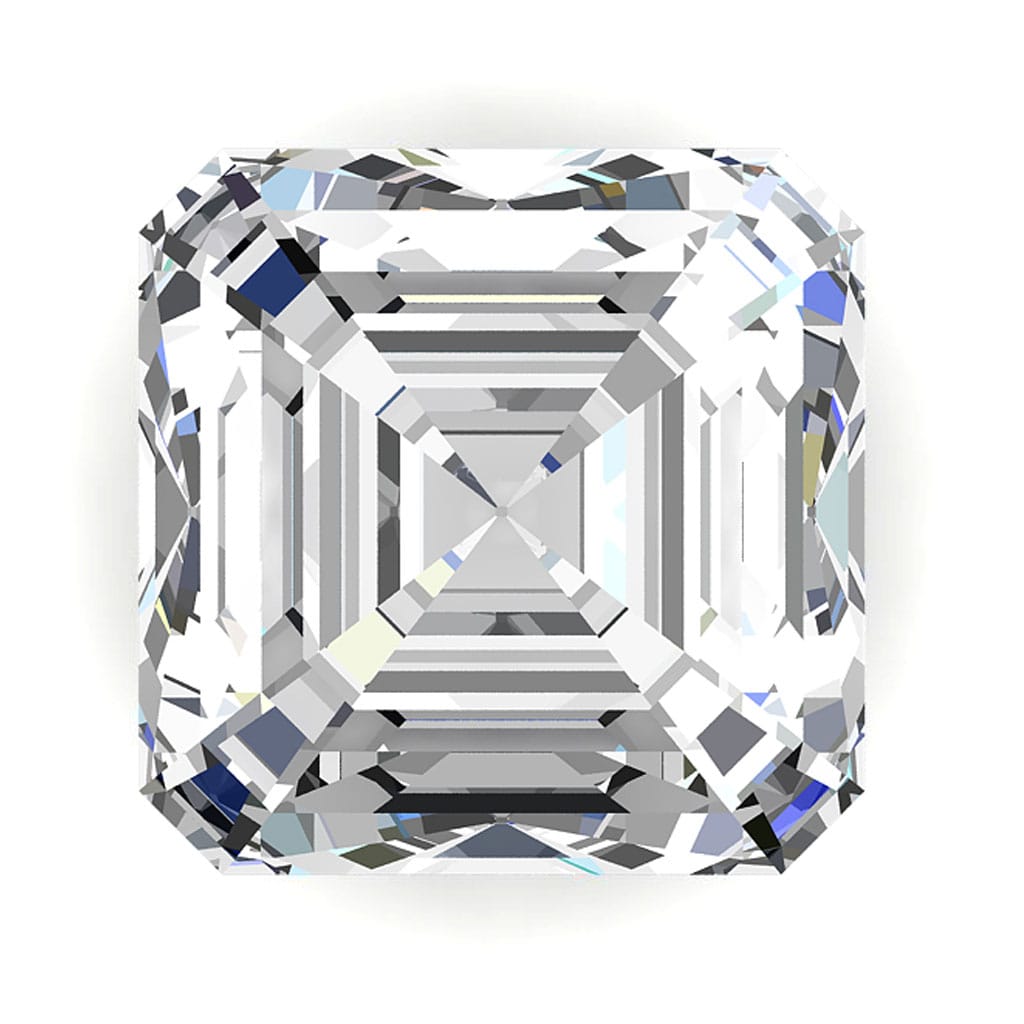
If you’re drawn to symmetry, glamour, and vintage vibes, the Asscher cut diamond is a strong contender. Known for its distinctive square shape with deeply clipped corners and a mesmerising “hall of mirrors” effect, the Asscher is one of the most elegant—and often overlooked—diamond shapes.
It’s sophisticated without being flashy, bold yet timeless, and perfectly suited to those who love clean geometry and old-world charm.
? Think of it as the emerald cut’s edgy younger sibling—with a vintage soul and a strong sense of style.
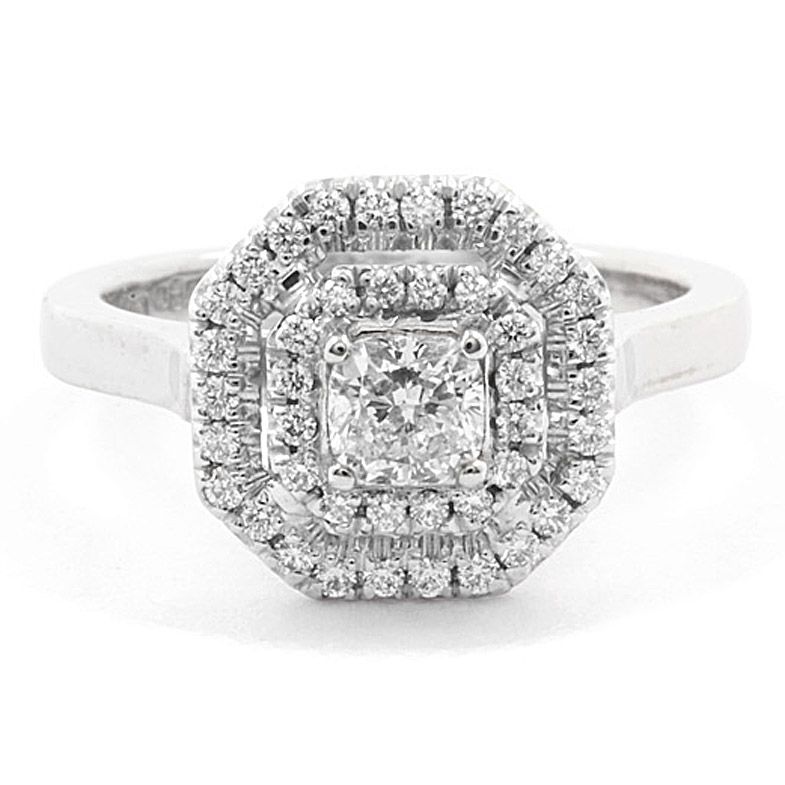
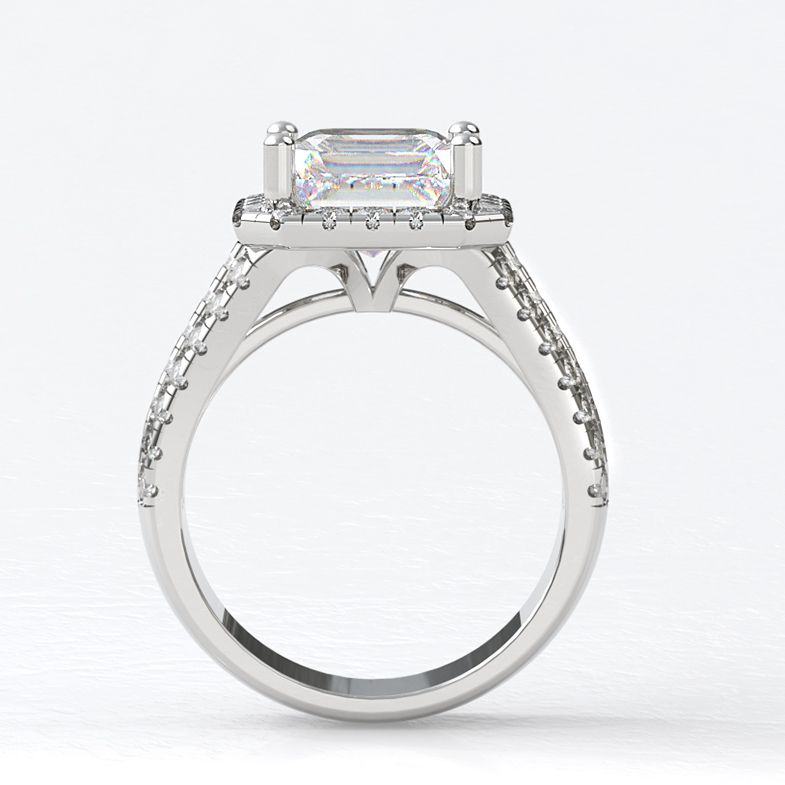
The Asscher cut was developed in 1902 by Joseph Asscher, founder of the Royal Asscher Diamond Company in the Netherlands. It became hugely popular during the Art Deco period, with its step-cut facets and squared symmetry reflecting the era’s obsession with structure and glamour.
? Fun fact: The Asscher family also cut the Cullinan diamond—the largest gem-quality rough diamond ever found, now part of the British Crown Jewels.
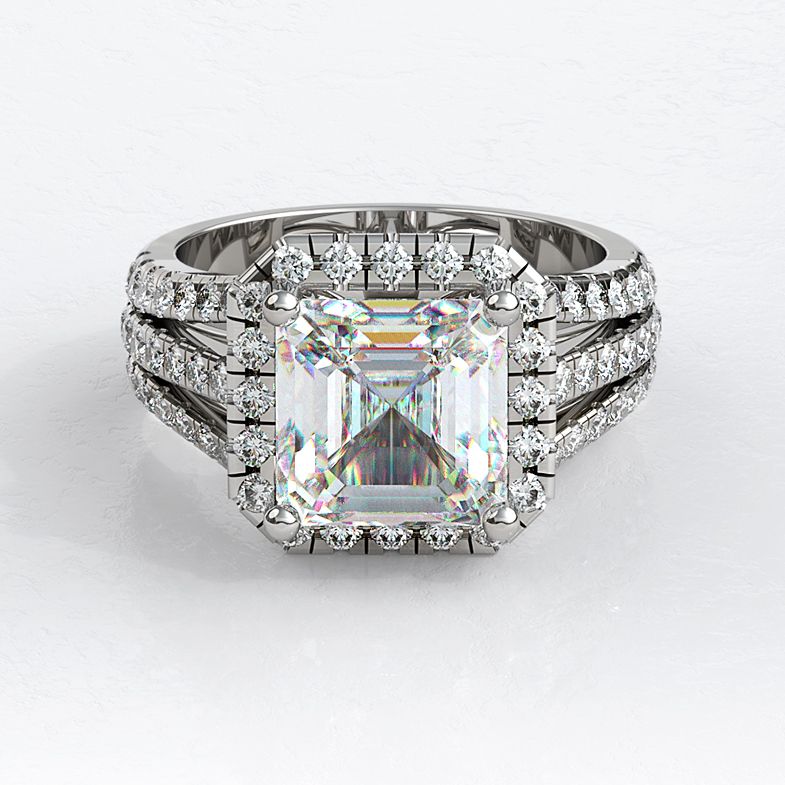
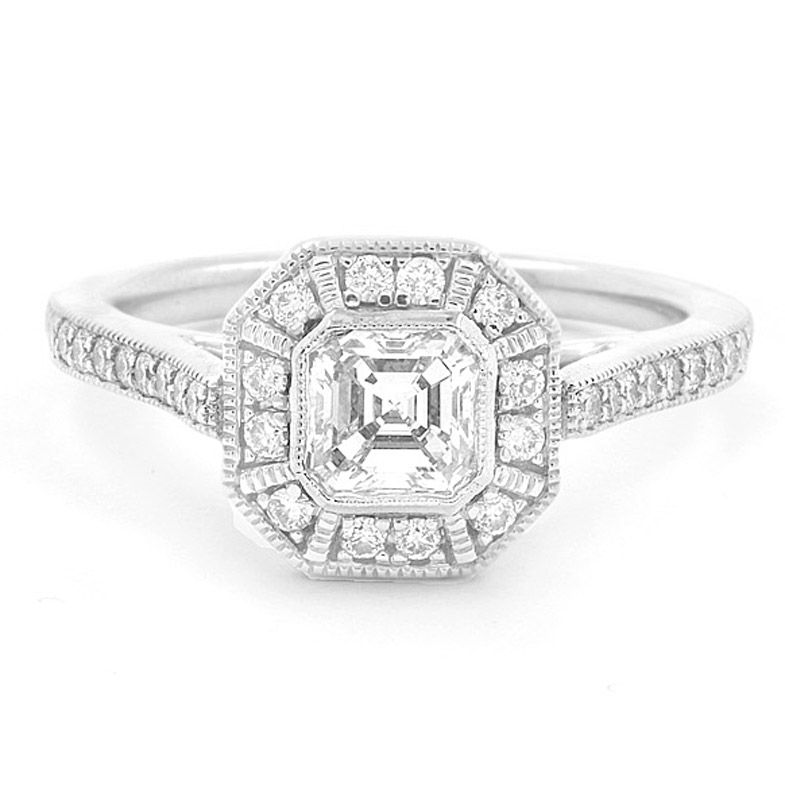
Asscher cuts are rare, but the style-savvy few who wear them love their dramatic presence:
? Asscher cuts speak to fashion-forward minds with a love for retro romance.
| Ring Style | Why It Works with Asscher Cuts |
| Solitaire | Highlights clean lines and geometric brilliance |
| Vintage/Art Deco | Pairs perfectly with milgrain, filigree, and bold halos |
| Bezel Set | Modern twist that plays up the shape’s edges |
| Three-Stone | Often flanked with baguettes or trapezoids |
| Halo | Softens the angularity while enhancing sparkle |
? Asschers love symmetry—opt for settings that echo the shape’s structured feel.
Asscher cut diamonds are step-cut, like emeralds, meaning they reflect light in broad flashes rather than glittery sparkle. They have a square shape with 58 facets, though the Royal Asscher version has 74 for added brilliance.
? While not as fiery as a round brilliant, a well-cut Asscher draws the eye in with hypnotic depth.
Asscher cuts do not hide inclusions well due to their open table and clear structure, so clarity matters.
⚠️ Avoid deep stones with small face-up size—they’ll look smaller than other shapes at the same carat weight.
| Feature | Asscher ? | Emerald ▭ | Radiant ✨ |
| Sparkle Style | Hall-of-mirrors | Broad flashes | Brilliant sparkle |
| Shape | Square | Rectangular | Square/Rectangular |
| Clarity Sensitive? | Very | Very | Less so |
| Style Vibe | Vintage/Deco | Classic/refined | Bold/glamorous |
Asscher is square, emerald is rectangular. Both are step-cut, but Asscher is deeper and more symmetrical, with a more dramatic, kaleidoscopic effect.
Yes—especially for buyers seeking a vintage or unique look. Its strong shape and structured sparkle are perfect for timeless yet bold rings.
They require high-quality rough and expert cutting, so fewer are produced. This adds to their allure and uniqueness.
Mitigation Tip: Prioritise clarity and symmetry, and view the stone in person or via high-quality video to appreciate its depth and step-cut sparkle.
The Asscher cut is not for everyone—and that’s precisely its charm. Reserved, refined, and deeply glamorous, it’s the cut of choice for those who love structure, symbolism, and unapologetically vintage flair.
In the right setting, an Asscher cut ring becomes a conversation piece—quietly dazzling and enduringly chic.

Don't miss
11 September, 2026
11 September, 2026
11 September, 2026