
Engagement Rings Education Hub
05 March, 2026
Choose our Cork or Dublin Showrooms
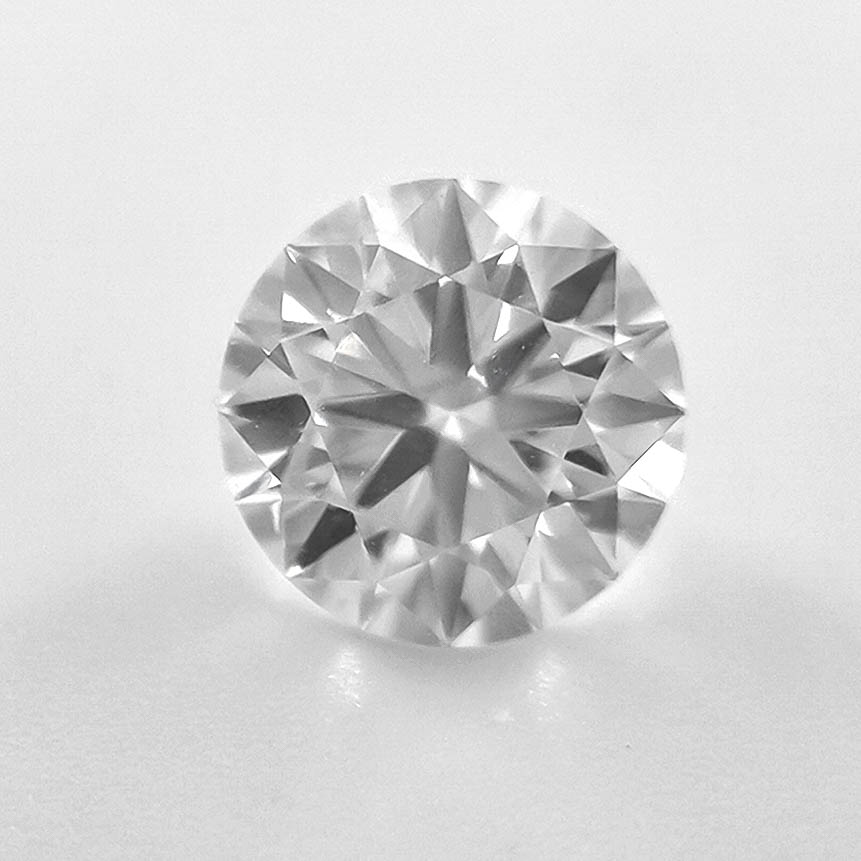
Before the dazzle of an engagement ring or the glint of an anniversary band, every diamond starts as something remarkably humble—pure carbon. But over billions of years, under intense heat and pressure deep in the Earth’s mantle, that carbon transforms into the hardest natural substance on Earth: a diamond.
And while the science is stunning, the true magic comes in how these stones are shaped. The anatomy of a diamond determines how much it sparkles, how it reflects light, and how it makes you feel when you see it on your hand. Whether you’re shopping for the first time or refining your diamond knowledge, understanding the what and how behind diamonds will help you make a wise and meaningful choice.
At its core, a diamond is:
Both natural and lab-grown diamonds are 100% real diamonds. The only difference is their origin:
| Feature | Natural Diamond 💎 | Lab-Grown Diamond 🌍 |
|---|---|---|
| Formed in Earth | Over billions of years | Created in labs in weeks |
| Chemical Makeup | Pure carbon | Pure carbon |
| Ethical & Eco Choice | Can be traceable, but varies | Often more ethical & sustainable |
| Value & Rarity | Traditionally higher resale | Affordable & identical visually |
| Certification | GIA, IGI, HRD, etc. | GIA, IGI, HRD, etc. |
💡 Lab-grown diamonds offer excellent value and are visually and chemically identical to mined stones—making them a popular choice for modern couples in Ireland.
Every diamond is cut and polished to enhance its brilliance. Here’s what you need to know about its key parts:

A diamond’s sparkle depends on how light travels through it.
If the cut is too shallow → light leaks out the bottom (less sparkle)
If the cut is too deep → light escapes through the sides
With the ideal cut → light reflects perfectly back to the eye ✨
Q: Are lab-grown diamonds “fake”?
No. Lab-grown diamonds are chemically, physically, and visually identical to natural diamonds—they’re just formed above ground.
Q: Is cut or carat more important?
Cut affects how a diamond sparkles—many experts agree it’s more important than size if you want brilliance.
Q: Can you see the difference between lab and natural?
Not with the naked eye. Even jewellers need specialist tools to tell them apart.
❌ “Bigger is always better” – Not true. A well-cut, slightly smaller diamond will sparkle more than a larger poorly cut one.
❌ “Only natural diamonds are valuable” – Modern lab diamonds are gaining strong value, especially for ethical buyers.
Diamonds have long symbolised:
Whether natural or lab-grown, their sparkle is a reminder of resilience, clarity, and enduring emotion—making them perfect for engagement rings, milestone gifts, or heirlooms to pass down.
When buying any diamond, make sure to:
Don't miss
05 March, 2026
05 March, 2026
05 March, 2026