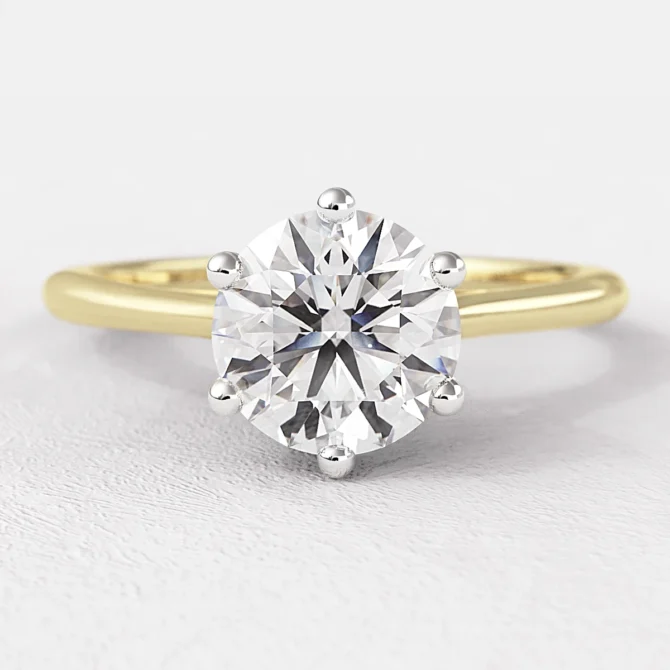
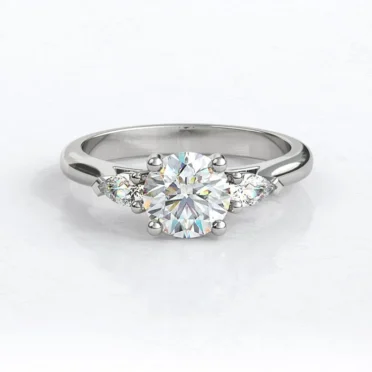


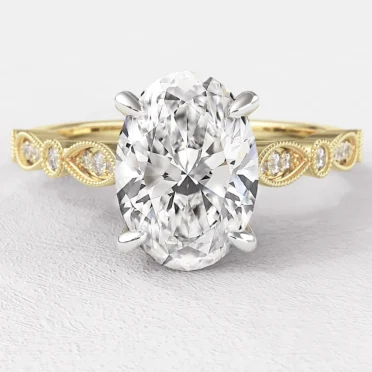


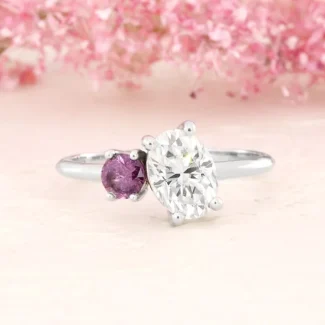









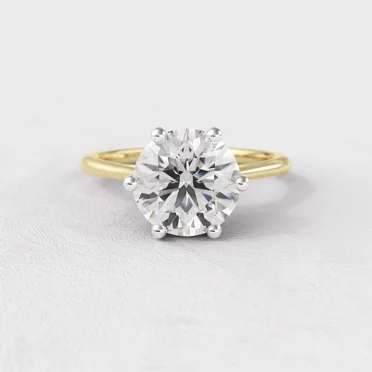


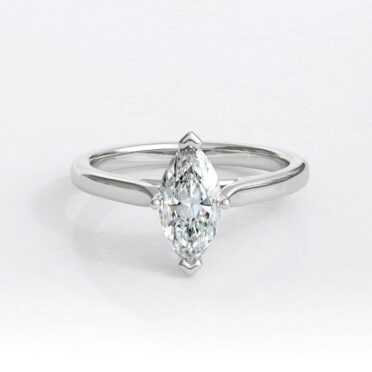


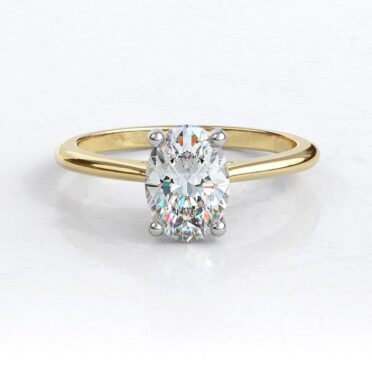














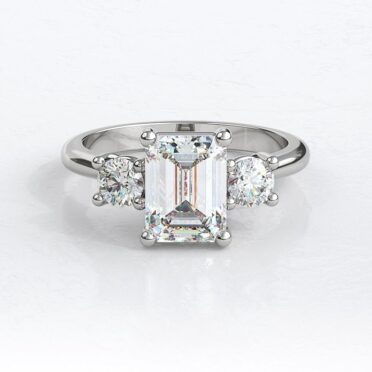


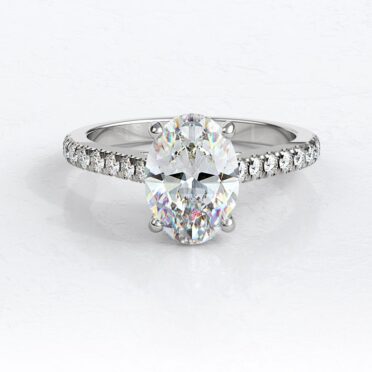


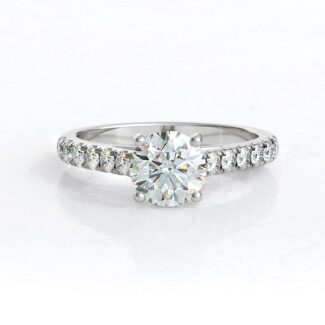
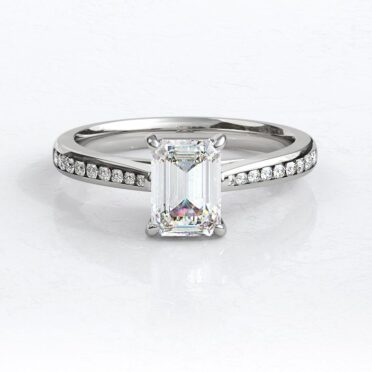












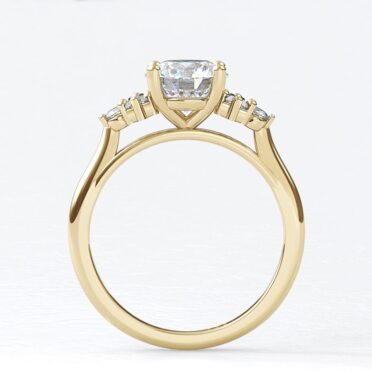


Moissanite Engagement Rings
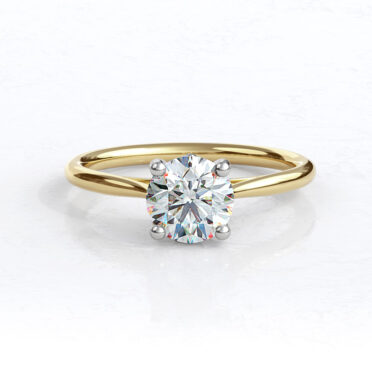
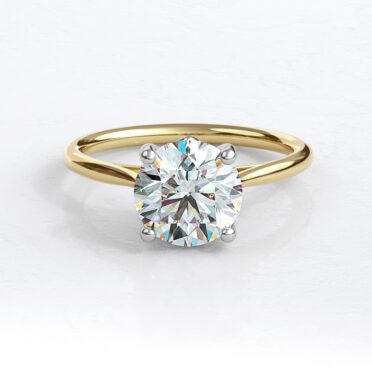
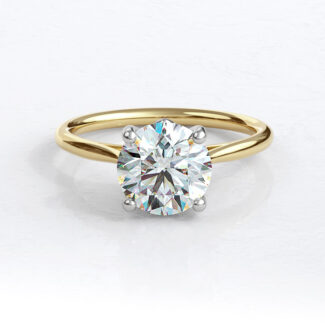
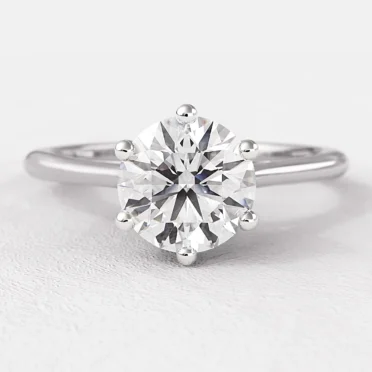
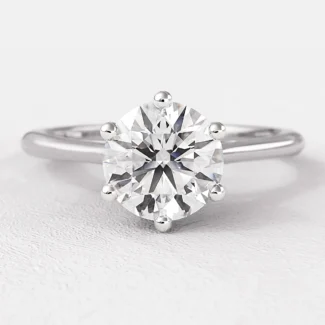
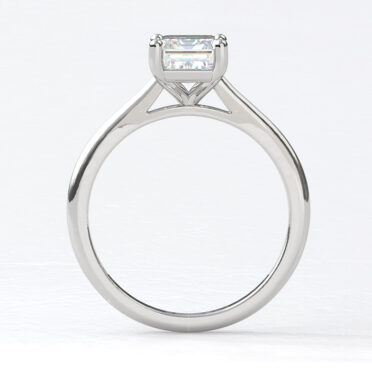
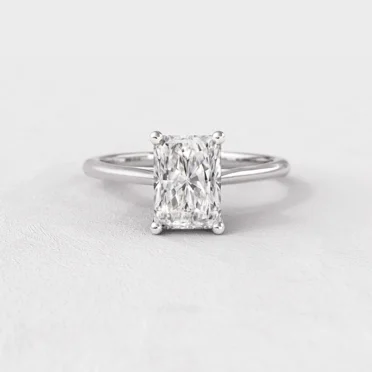
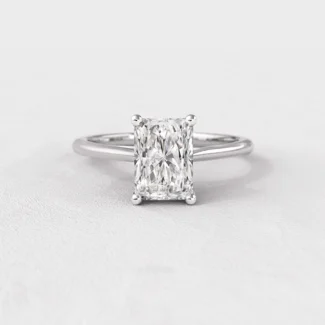
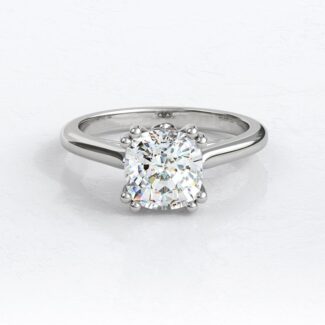
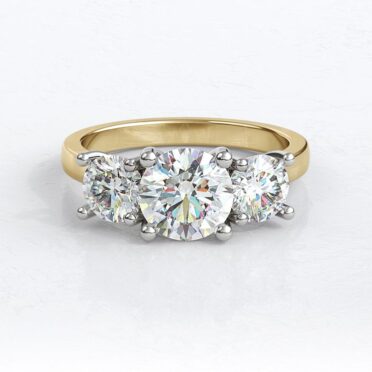
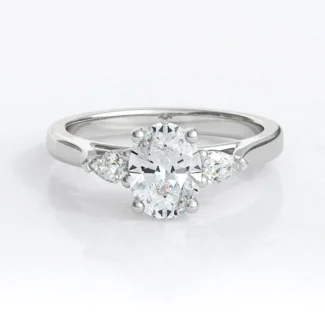
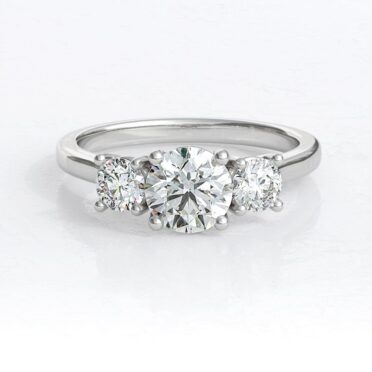
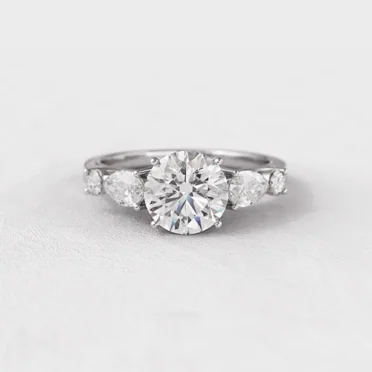
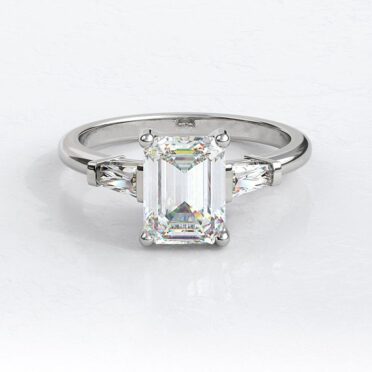
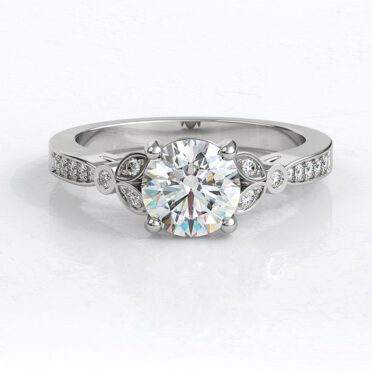
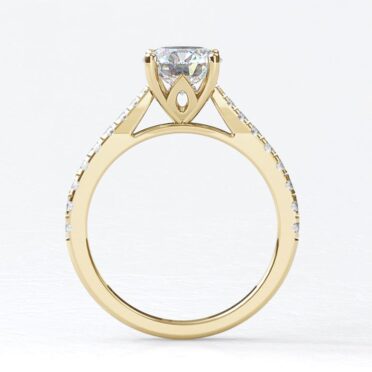
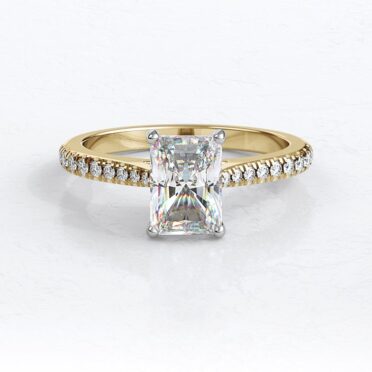
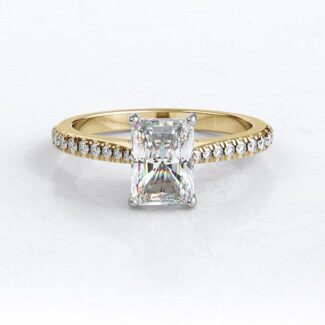
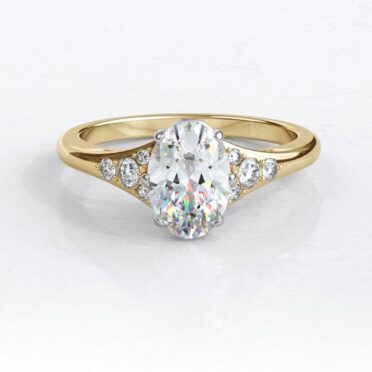
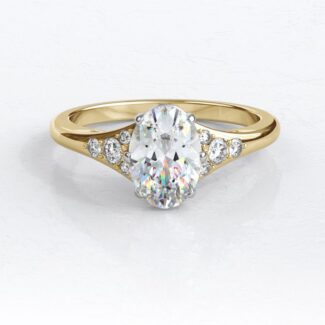
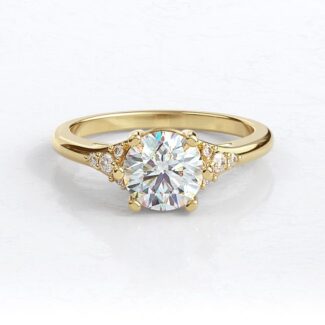
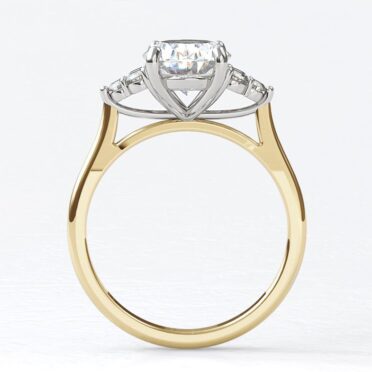
Moissanite engagement rings are a great option as an alternative to diamonds. At Bespoke Diamonds, as the name suggests, we are passionate about diamonds. However, we understand that for various reasons, some people may prefer other gemstones or diamond-alternatives. Along with our various gemstones like rubies, emeralds, aquamarines and morganite, we also specialise in moissanites – the man-made stone that outshines a diamond!
Ultimate Guide to Moissanite Engagement Rings
Moissanite Engagement Rings
Moissanite – Out of This World!
Features of Moissanite
Near perfect appearance
Ethically made and conflict-free
More brilliant than diamond!
Moissanites are lower in price
Diamonds vs Moissanites
Grading of Moissanites
The 2 Hardest Minerals on Earth
Buying Moissanite Stones – Ireland
Our Moissanites
Bespoke Moissanite Engagement Rings
The Difference Between a Diamond and a Moissanite
Negatives of moissanites
Conclusion
Does moissanite lose its shine or brilliance?
Where can I view Moissanite engagement rings?
Moissanite – Out of This World!
Although the moissanites being used in jewellery today are man-made in a lab, moissanite was originally a naturally-occurring element that didn’t originate on earth!
Moissanite was discovered by the Nobel Prize winning French chemist, Dr. Henri Moissan, in 1893. Taking samples from inside a meteor that landed in Arizona, he believed he had found diamonds and it wasn’t until 1904 that he realised his mistake and that this was a new mineral which he, of course, named after himself – Moissan-ite.
However, moissanite is so rare that scientists devised a way to create the stone in a lab. This led to the creation and use of the moissanite stone at a in jewellery from the mid 90s.
Technical stuff
A comprehensive article about moissanite wouldn’t be complete without all the technical stuff like chemical composition and lab results! Feel free to skip this part and read the non-technical explanations or tap the “see more” button below for the technical info.
See More!
| Category | Mineral species |
| Formula | SiC |
| (repeating unit) | |
| IMA symbol | Moi[1] |
| Strunz classification | 1.DA.05 |
| Crystal system | 6H polytype, most common: hexagonal |
| Crystal class | 6H polytype: dihexagonal pyramidal (6mm) |
| H-M symbol: (6mm) | |
| Space group | 6H polytype: P63mc |
| Color | Colorless, green, yellow |
| Crystal habit | Generally found as inclusions in other minerals |
| Cleavage | (0001) indistinct |
| Fracture | Conchoidal – fractures developed in brittle materials characterized by smoothly curving surfaces, e.g., quartz |
| Mohs scale hardness | 9.25 |
| Luster | Adamantine to metallic |
| Streak | greenish grey |
| Diaphaneity | transparent |
| Specific gravity | 3.218–3.22 |
| Refractive index | nω=2.654 nε=2.967, Birefringence 0.313 (6H form) |
| Ultraviolet fluorescence | orange-red |
| Melting point | 2730 °C (decomposes) |
| Solubility | none |
| Other characteristics | Not radioactive, non-magnetic |
Features of Moissanite
Moissanite must be seen as a gemstone and not as an imitation diamond. Yes, there are similarities to their appearance but there are sufficient differences to tell them apart. A ruby or emerald is not a diamond but are still beautiful stones that most people would be happy to wear and have! Moissanite has its own features which make it unique and, in some ways, better than other stones.
Near perfect appearance
As all moissanites in jewellery are lab grown, they have few if any inclusions or imperfections. Their hardness, second only to diamonds on the Mohs scale, means they are less likely to scratch or scuff than other gemstones. Moissanites are cut to best bring out their own unique features and not to try make them look like a diamond!
Mohs Hardness Scale
- Diamond – 10
- Moissanite – 9.25
- Ruby & Sapphire – 9
- Emerald & Aquamarine – 7.5-8
Ethically made and conflict-free
Unlike any mined stone, Moissanite is only made in labs. This means it is fully traceable so you can be confident about where your ring came from.
More brilliant than diamond!
Yes, a moissanite stone is more brilliant than a diamond – i.e., it’s shiner. This makes the moissanite the most brilliant gemstone in the world!
In terms of colour, our moissanites are defined as “colourless”, which is the purest of moissanite colours (comparable to D or E of diamonds).
Diamonds and moissanites also reflect light differently so it is a matter of deciding which one you prefer.
Moissanites are lower in price
A major plus when it comes to moissanites is that they are a fraction of the cost of diamonds. Unlike with diamonds, the only factors that alter the price are size and shape.
Diamonds Vs Moissanites
Can you tell the difference between Moissanite, Natural Diamond and Lab Diamond?
Moissanites are not diamonds and diamonds are not moissanites. They are completely different stones that have some similarities. They can be difficult to tell apart at times but when side by side or to the trained eye, it is possible to see the difference. There are also differences in terms of their properties.
Grading of Moissanites
Moissanites are not graded in terms of the 4 Cs– cut, colour, clarity, and carat weight, of diamonds. These measures do not translate across for moissanites, but because of moissanites’ consistent quality – it is unlikely you will find a moissanite with big inclusions or a tinted colour. This is because these stones are formed in the quality-controlled environment of a lab. The differential across moissanites is usually due to changes in size.
The 2 Hardest Minerals on Earth
On the Mohs Scale of Hardness, used to determine the hardness of all gemstones, a diamond ranks a maximum of 10 and the moissanite is in second place at 9.25. It is therefore more durable than most gemstones such as a ruby or sapphire.
Buying Moissanite Stones – Ireland
It’s rare for the average person to notice the difference between a diamond and a moissanite stone simply by looking at it. However, it’s important to keep in mind that moissanites aren’t diamonds. For some, diamonds carry more meaning and see it as of great importance for their engagement ring to have a diamond whereas others just want a ring that suits them. Moissanites are a great alternative for those looking for a lower price. They are also a great ethical choice as they are all lab created.
Our Moissanites
As specialists in moissanite engagement rings, we at Bespoke Diamonds offer all our diamond settings with the alternative of a moissanite stone. It’s your job to decide on which one is your favourite so you can see our full range by booking a no obligation appointment!
Bespoke Moissanite Engagement Rings
We offer the unique service of bespoke moissanite stones – we can have a moissanite grown specifically for your ring with the dimensions, cut and colour you request!
Make an appointment with us or send us an email if you’d like to know more about the beautiful moissanite stone.
The Difference Between a Diamond and a Moissanite
There are some differences between diamonds and moissanite. Moissanites are a 9.25 on the hardness scale. This makes the moissanite one of the hardest substances used in jewellery (only behind diamonds). Diamonds are the hardest substance and score a 10.
· Brilliance
There are also differences in the stones’ brilliance. A moissanite stone gives off a more spectral shine; it disperses light exceptionally well and has a higher brilliance than a diamond. A diamond reflects light in three different ways, giving it its unique sparkle.
· Price
There is a vast difference in price between a diamond and a moissanite stone. A diamond’s price is dependent on its cut, clarity, and other features. A moissanite stone’s price changes with alterations in size and type of moissanite stone. So, as a result, a moissanite stone is a fraction of the cost of a diamond.
· Moissanite Carat, Size and Weight
Moissanite weighs less than a diamond and is measured in millimetres, not carats. Below is a table showing some of the equivalents of the most commonly used sizes in engagement rings.
| Moissanite size* | Diamond Carat* |
| 5.0 mm | 0.50 ct |
| 6.5 mm | 1.00 ct |
| 7.0 mm | 1.3 ct |
| 7.3 mm | 1.50 ct |
| 8.0 mm | 2.00 ct |
| 8.5 mm | 2.50 ct |
| 9.0 mm | 3.00 ct |
Compare Moissanites and Diamond sizes. *Approximate sizes
· Clarity and Imperfections/Inclusions
Moissanite often has a higher clarity than a diamond. Because they are made in a lab in controlled conditions, efforts are made to minimise their inclusions and flaws.
Negatives of Moissanites
There are some negatives to choosing a moissanite stone over a diamond. A diamond is a colourless stone in its natural state, whereas a moissanite stone can have a grey or yellow hue. Also, although moissanites have a strong brilliance, in certain light, they can emit a rainbow-like refraction that some people dislike while others admire.
Conclusion
In conclusion, a moissanite stone is an excellent alternative to diamonds. If, due to budgetary constraints, a diamond is unsuitable, a moissanite stone will prove a viable option. All the rings available from Bespoke Diamonds are available with a moissanite stone.
Does Moissanite lose its shine or brilliance?
As moissanite is almost as hard as diamond, it will not lose its sparkle over time. The clarity and colour of the stone also won’t change. If any ring (moissanite, diamond or other gemstone) is not cleaned regularly, they may get dirty which will hide the ring’s sparkle. Regular cleaning is advised.
Where can I view Moissanite engagement rings?
We have a wide range of moissanite engagement rings and stones here at Bespoke Diamonds in Dublin. All our diamond settings can be changed to a moissanite stone. It’s your job to decide on which one is your favourite!
Make an appointment with us or send us an email if you’d like to know more about the beautiful moissanite stone.