



















✨ Introduction: Graceful, Glamorous & Distinctly Feminine
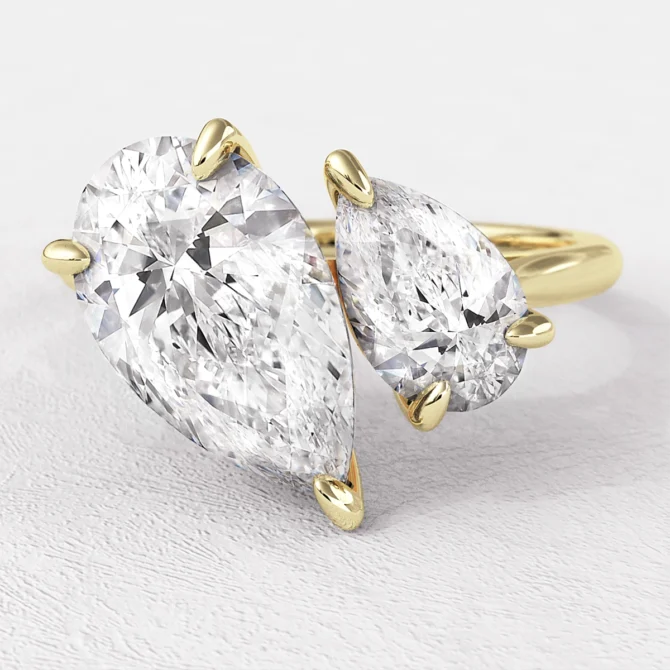
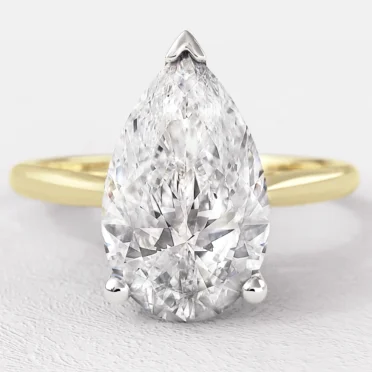
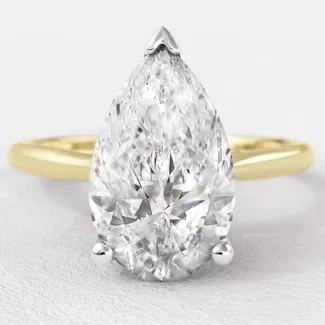
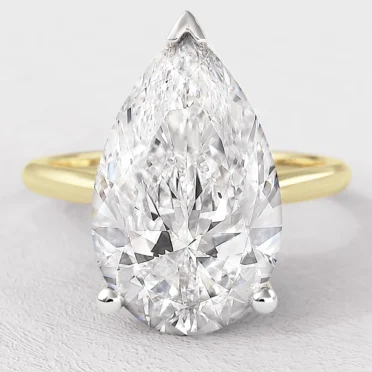
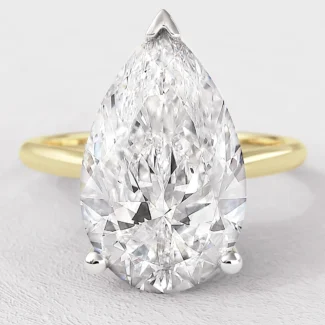
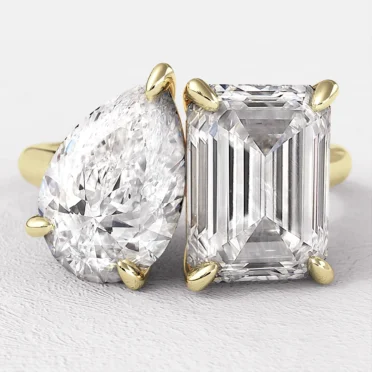
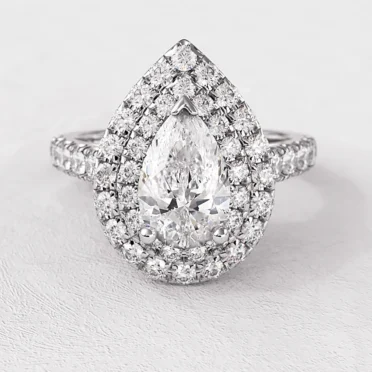
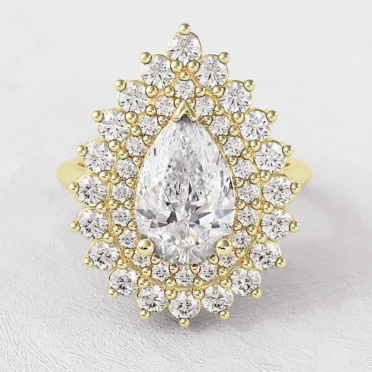
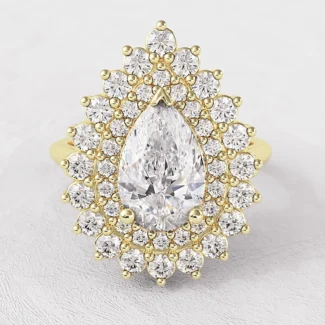
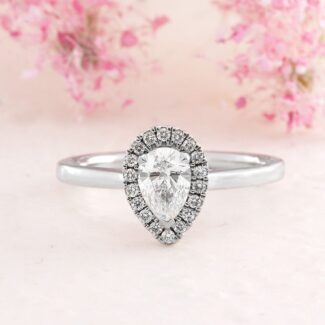
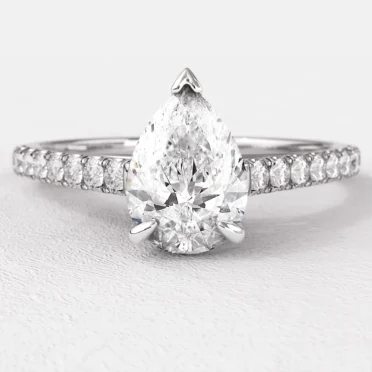
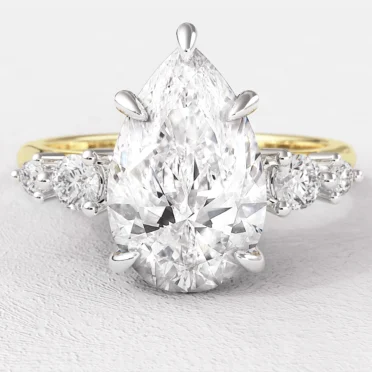
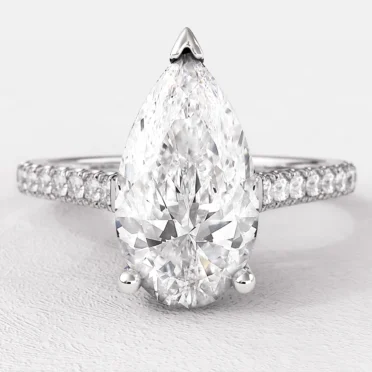
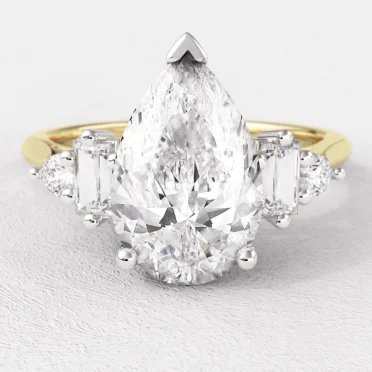
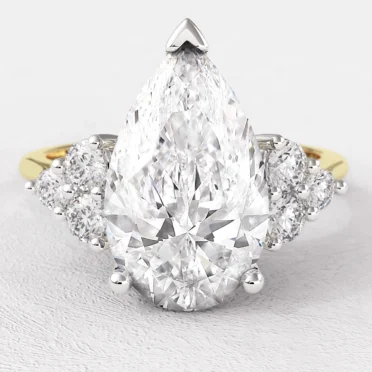
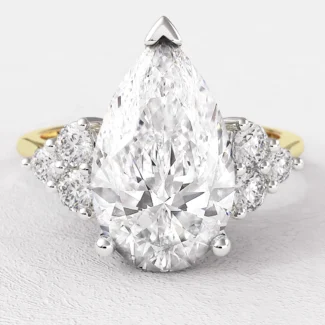
Also known as the teardrop diamond, the pear-shaped diamond blends the soft curves of a round brilliant with the elongated elegance of a marquise. The result? A beautifully unique shape that offers romance, refinement, and just a hint of drama.
With its graceful taper and brilliant sparkle, the pear diamond is a favourite for those who want something slightly different, deeply personal, and endlessly flattering.
💡 Half round, half marquise—all individuality.
🎯 Why Choose a Pear-Shaped Diamond?
- 💫 Brilliant sparkle – uses a brilliant-cut facet pattern for fire and shine
- 🤲 Slenderising shape – elongates the finger beautifully
- 🎨 Unique look – bold and graceful at once
- 💍 Versatile in orientation – can be worn pointing up, down, or even sideways (east-west)
- 💶 Smart value – appears larger per carat than rounds due to its elongated shape
🌟 Celebrities with Pear-Shaped Diamonds
Many stars and royals have been captivated by the elegance of the pear shape:
- 💍 Victoria Beckham – one of her many engagement rings features a stunning pear solitaire
- 💍 Sophie Turner (Game of Thrones) – sleek, minimalist pear diamond ring
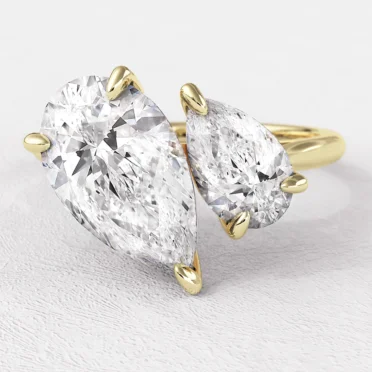
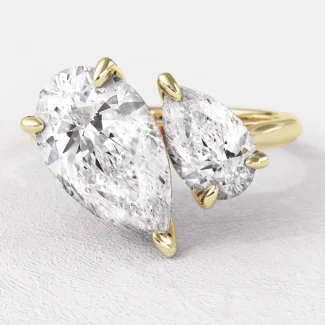
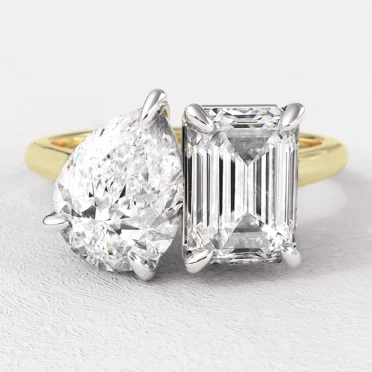
- 💍 Ariana Grande – oval and pear-shaped diamonds worn as combo
- 💍 Elizabeth Taylor – gifted a 69.42ct pear-shaped diamond by Richard Burton, famously worn as a necklace
🌟 Dramatic yet feminine, the pear is a shape for icons.
📐 The Bow-Tie Effect & Shape Balance
Like ovals and marquises, pear diamonds may show a bow-tie shadow—a dark shape across the centre caused by light leakage. A well-cut pear minimises this and maintains even sparkle from base to tip.
✏️ What to Look For in Proportions:
- Length-to-width ratio:
- 1.45–1.75 is the classic range (longer = more slender)
- Symmetry:
- Should have even shoulders, a well-centred tip, and a rounded base
⚠️ Avoid overly wide or short pears—they can appear stubby or unbalanced.
🧠 Buying Tips & Considerations
- Cut: No GIA cut grade—judge by proportions and light performance
- Clarity: Eye-visible inclusions are more noticeable near the point, so opt for VS2 or better
- Colour: Pears show more colour at the tip—G–H is ideal for white gold/platinum, I–J fine for yellow or rose gold
- Protection: The point is vulnerable—look for settings that shield it with prongs or bezels